Experiential Marketing
Gen Z Doesn't Want Your Advertising. They Want to Experience Your Brand.
9 September 2026
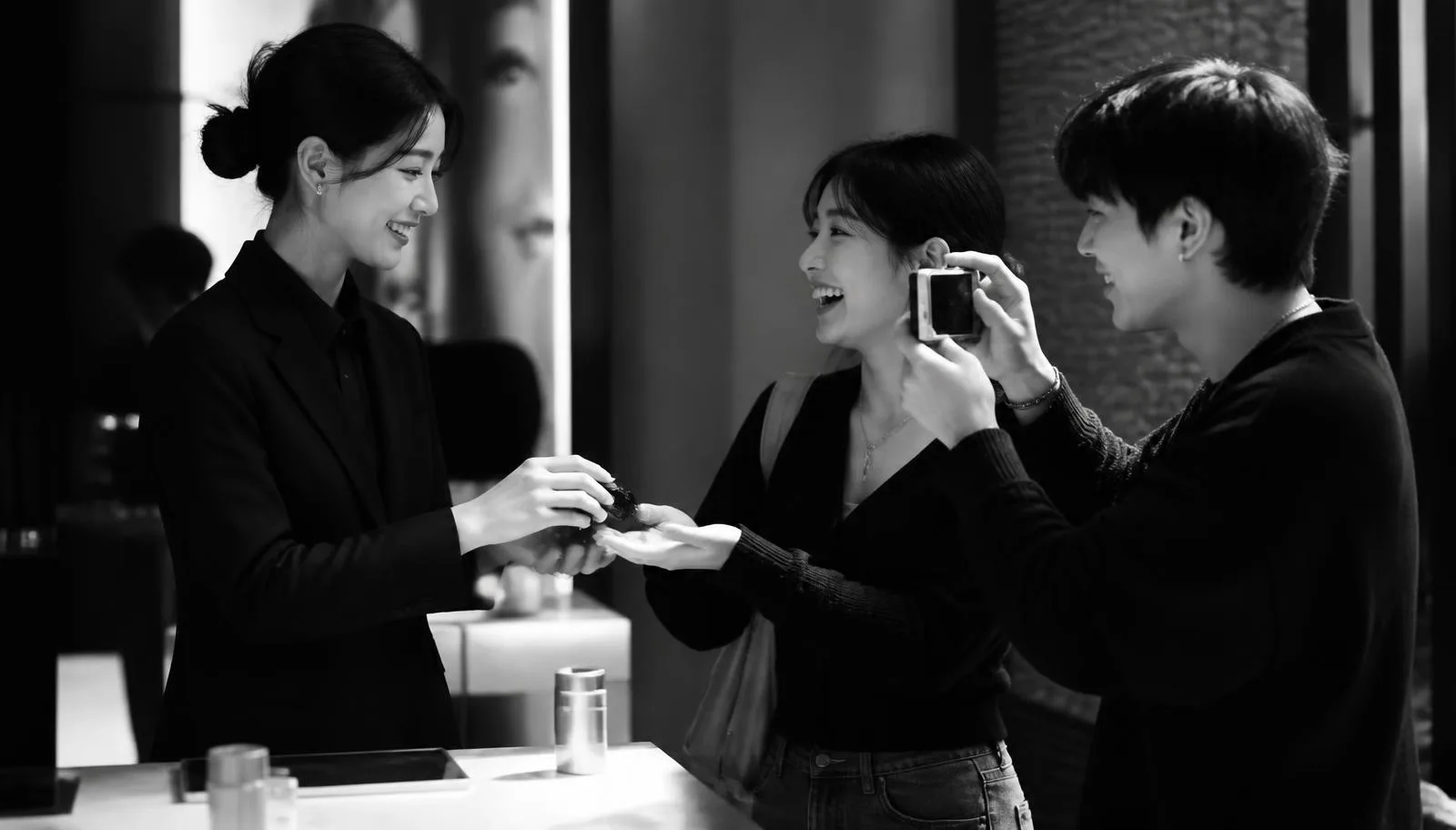
Gen Z doesn't just want to see your brand — they want to experience it. How experiential marketing, Brand Ambassadors and real-world brand experiences turn attention into engagement, loyalty and sales.
By James Blogg, Founder, Staff Playbook · Experiential Marketing · 9 min read
Gen Z has grown up surrounded by advertising. They have seen thousands of brands compete for their attention through TikTok, Instagram, YouTube, influencers, paid social, display advertising, email, branded content and increasingly sophisticated digital campaigns.
So why do so many traditional marketing messages fail to cut through?
Because Gen Z doesn't necessarily want another advert. They want something to experience.
They want to discover a brand, interact with it, talk about it, share it, test it, photograph it, participate in it and, most importantly, decide for themselves whether it is worth remembering.
That is creating a major opportunity for brands willing to rethink how they market to younger consumers. The future isn't about abandoning digital advertising. It is about connecting digital discovery with real-world experience.
Gen Z Isn't Anti-Brand. They're Anti-Interruption.
It is easy to misunderstand Gen Z. They are often described as a generation that lives online, discovers everything through social media and rarely needs a physical retail environment.
The reality is more complicated.
Recent UK research from CBRE found that experience-led features such as store aesthetics, in-store events, exclusive launches and opportunities to create content are increasingly important to younger consumers. Its 2026 UK Retail Generational Survey found that 70% of respondents visit stores for content-creation opportunities, while interactive experiences such as product trials, gamification and pop-ups can strengthen connections with younger generations.
Meanwhile, research highlighted by Retail Gazette found that 51% of Gen Z prefer going in-store for the experience over buying something online, while 41% particularly enjoy shopping with friends or family.
And that tells us something important:
Digital hasn't killed physical experiences. It has changed what people expect from them.
A shop, pop-up, university activation, festival stand or brand event isn't simply a place to sell a product anymore. It can become content. It can become entertainment. It can become community. It can become a story.
And it can become the moment when someone moves from knowing about a brand to actually feeling something about it.
The New Marketing Funnel Starts With Experience
Traditional marketing often works like this: See an advert → Visit website → Consider product → Purchase.
Experiential marketing can create a very different journey: Discover → Experience → Interact → Share → Remember → Purchase → Recommend.
That difference matters.
A digital advert can tell someone that your product tastes great. A brand ambassador can give them the opportunity to taste it.
A digital advert can tell someone your product is premium. A trained member of your team can demonstrate why.
A social post can tell someone your brand has a community. A live activation can allow them to become part of it.
The strongest campaigns increasingly connect all three worlds: Digital + Physical + Social.
That is where experiential marketing becomes particularly powerful — and where the right experiential marketing staff turn an idea into an experience people actually remember.
Gen Z Wants Participation, Not Just Promotion
One of the biggest mistakes brands make when targeting younger audiences is confusing visibility with engagement.
Putting a huge logo on a backdrop doesn't automatically create a great brand experience. Neither does handing someone a leaflet. Neither does placing an Instagram hashtag on a stand and hoping people use it.
The question should be: What does the consumer actually get to do?
- Can they taste the product?
- Can they test it?
- Can they customise something?
- Can they compete?
- Can they win?
- Can they learn something?
- Can they meet someone interesting?
- Can they create content?
- Can they discover something exclusive?
- Can they bring a friend?
- Can they become part of the story?
Participation changes the relationship between consumer and brand. Instead of being spoken at, the consumer becomes involved with the brand.
That distinction is fundamental to effective experiential marketing.
The Rise of the "Instagrammable" Experience
There is another reason physical experiences are becoming increasingly valuable. People don't just experience them. They can amplify them.
A well-designed activation can generate two experiences simultaneously:
The physical experience
The person is there. They see the product. They meet the team. They interact with the brand. They create a memory.
The digital experience
They take a photograph. They post a Reel. They share a TikTok. They send it to friends. They create conversations. They introduce the brand to people who were never physically present.
This creates an important multiplier effect. One activation can potentially reach people inside the venue and people watching from somewhere else.
Research from CBRE's 2026 UK retail study reinforces this shift, identifying content creation opportunities and visually appealing, interactive stores as increasingly important elements of the modern retail experience.
But there is a warning here. Don't design an experience simply because you think Gen Z will post it. Design something genuinely worth experiencing. The content should be the consequence of a great experience — not a substitute for one.
Authenticity Is Becoming a Competitive Advantage
Gen Z is highly exposed to branded content. That means polished marketing alone doesn't necessarily create credibility.
Recent commentary from Meta's Eva Chen on the changing Instagram landscape has highlighted the growing importance of authenticity, community, real-time interaction and physical gatherings, alongside the rise of AI-generated content.
For brands, this creates an interesting paradox. Technology is becoming more sophisticated. AI is making content faster. Advertising platforms are becoming more targeted. Yet human interaction is becoming more valuable, not less.
Why?
Because a real conversation cannot be replicated perfectly by an algorithm. A genuine recommendation from a knowledgeable Brand Ambassador feels different from a sponsored message. A product demonstration feels different from a product photograph. A face-to-face conversation creates emotional information that a banner advert simply cannot provide.
The technology may start the conversation. People often finish it. It is the same behavioural pattern we explored in the psychology behind experiential marketing.
This Is Where Brand Ambassadors Matter
If experience is becoming central to marketing, the people delivering that experience become critically important.
A Brand Ambassador isn't simply someone standing beside a branded display. At their best, they are the human personality of the campaign.
They can:
- Welcome consumers
- Start conversations
- Demonstrate products
- Explain benefits
- Answer questions
- Create excitement
- Encourage participation
- Collect feedback
- Generate leads
- Drive sampling
- Support sales
- Create social content
- Represent the tone and personality of the brand
This is why recruitment shouldn't be treated as an afterthought. The right person can transform an activation. The wrong person can undermine it. Our guide on how to recruit the best promotional staff sets out the briefing and selection process in full, and you can hire brand ambassadors from our vetted UK roster.
A campaign may have an incredible venue, beautiful branding and an impressive concept — but if the person representing the brand is disengaged, poorly trained or unable to connect with the audience, the experience suffers.
People are part of the product.
Service standards matter just as much as personality, which is why customer service is more than a department for every team we place.
Stop Trying to Make Gen Z Buy. Give Them a Reason to Care.
The most successful experiential campaigns don't begin with: "How do we sell this product?"
They begin with: "Why would someone want to spend time with our brand?"
That change in thinking can transform a campaign.
Instead of simply promoting a protein product, create a challenge. Instead of simply sampling a drink, create a discovery experience. Instead of displaying a new product, allow consumers to test it. Instead of launching another social campaign, create something people genuinely want to attend. Instead of telling consumers that your brand is part of their lifestyle, create a moment that allows them to live it.
The product remains important. But the experience becomes the bridge between the consumer and the product.
From Pop-Ups to Universities: Experience Can Happen Anywhere
Experiential marketing isn't restricted to flagship stores. For brands targeting Gen Z, opportunities exist across a huge range of environments.
Universities
Campus activations can introduce products to highly social communities while creating opportunities for sampling, trial, content and word-of-mouth.
Festivals
Festivals provide an environment where consumers are already looking for entertainment, discovery and memorable experiences.
Retail
In-store activations can turn a normal shopping trip into a product discovery moment.
Offices
Office sampling can introduce products directly into workplaces while creating a more personal interaction than conventional advertising.
Events and exhibitions
Brand ambassadors can attract attention, qualify conversations, demonstrate products and create memorable interactions. Larger builds need proper structure — see planning creates performance for how to staff big events, or find event staff for your next one.
Pop-up experiences
Temporary spaces can generate urgency, exclusivity and social content while giving brands a physical expression of their identity.
The common factor isn't the venue. It's the experience.
The "Viral" Experience Isn't Necessarily the Best Experience
There is a dangerous obsession with virality. Brands see a successful TikTok activation and immediately want to replicate it.
But copying somebody else's experience rarely creates the same result. Gen Z can recognise when a brand is trying too hard to look relevant.
The better question is: What is authentic to our brand, our audience and our product?
A sports brand might create competition. A food brand might create discovery and sampling. A beauty brand might create personalisation. A technology brand might create demonstration and experimentation. A premium brand might create exclusivity. A sustainable brand might create education and participation.
The experience should make sense for the brand. If the activation could belong to any competitor, it probably isn't distinctive enough.
Experience Needs to Deliver Commercial Results
There is another misconception about experiential marketing. That it is simply about creating something memorable.
Memorability matters. But brands also need commercial accountability.
A successful activation can measure:
- Footfall
- Engagements
- Product samples distributed
- Product trials
- Leads generated
- New customers
- Social content
- Social reach
- Website traffic
- QR code scans
- Email sign-ups
- Sales
- Conversion rate
- Customer feedback
- Brand awareness
- Net Promoter Score
- Cost per acquisition
- Return on investment
The objective should determine the measurement. If the objective is awareness, measure reach and engagement. If the objective is trial, measure samples and product interactions. If the objective is sales, measure conversion and revenue. If the objective is retailer acquisition, measure new accounts and orders.
The best experiential campaigns combine emotion with measurement. That is how brands turn a great day in the field into a commercially valuable marketing channel.
For more on measuring experiential campaigns, read our Journal article on experiential marketing ROI.
The Future Is Phygital
The future of Gen Z marketing isn't physical versus digital. It is physical and digital working together.
A consumer might discover a brand on TikTok. Visit a physical activation. Speak to a Brand Ambassador. Try the product. Scan a QR code. Follow the brand. Create content. Visit the website. Make a purchase. Then recommend it to friends.
That is a connected customer journey. And technology can make the journey measurable. QR codes, mobile data capture, digital competitions, social content, CRM integration and post-event communication can extend an activation well beyond the physical event.
But technology should enhance the experience — not replace the human element. The strongest campaigns use technology to make human experiences more relevant, more measurable and more memorable.
What Brands Should Do Next
If your target audience includes Gen Z, ask yourself five questions before your next campaign:
- 1. What are we giving people to experience? If the answer is simply "our product", think bigger.
- 2. Why would someone stop? Attention has to be earned.
- 3. What can they actually do? Participation creates engagement.
- 4. Who is delivering the experience? Your people are part of your brand.
- 5. What happens after the experience? Capture the data, continue the conversation and create a route to purchase.
If you can answer all five clearly, you are already thinking beyond traditional advertising. When you are ready to brief a team, you can post a job free of charge.
The Brands That Win Will Create Memories
Gen Z has more choice than ever. More content. More brands. More creators. More advertising. More ways to shop. And increasingly sophisticated tools for ignoring anything that doesn't feel relevant.
That doesn't mean brands have lost the ability to influence them. It means the standard has changed.
You can't simply demand attention. You have to earn it.
You have to create something worth stopping for. Something worth talking about. Something worth sharing. Something worth remembering.
Because the most powerful brand message isn't always the one a consumer sees. Sometimes it's the one they experience.
Ready to Turn Your Brand Into an Experience?
At Staff Playbook, we connect brands and agencies with professional promotional staff, Brand Ambassadors, event staff and experiential marketing talent across the UK.
Whether you're planning a retail activation, product sampling campaign, university activation, exhibition, pop-up, office event or large-scale experiential campaign, the people representing your brand can make the difference between an average activation and an unforgettable one.
Related Staff Playbook Journal Articles
- Experiential Marketing ROI: How to Prove the Commercial Value of Brand Experiences
- The Psychology Behind Experiential Marketing: Why Experiences Make Brands More Memorable
- How to Recruit the Best Promotional Staff for Your Next Event
- Customer Service Is More Than a Department – It's Our Promise
- Planning and Staffing Large Events: How the Right People Create Exceptional Experiences